Why do I even need a stucco inspection? Isn't it just for buying or selling a house?
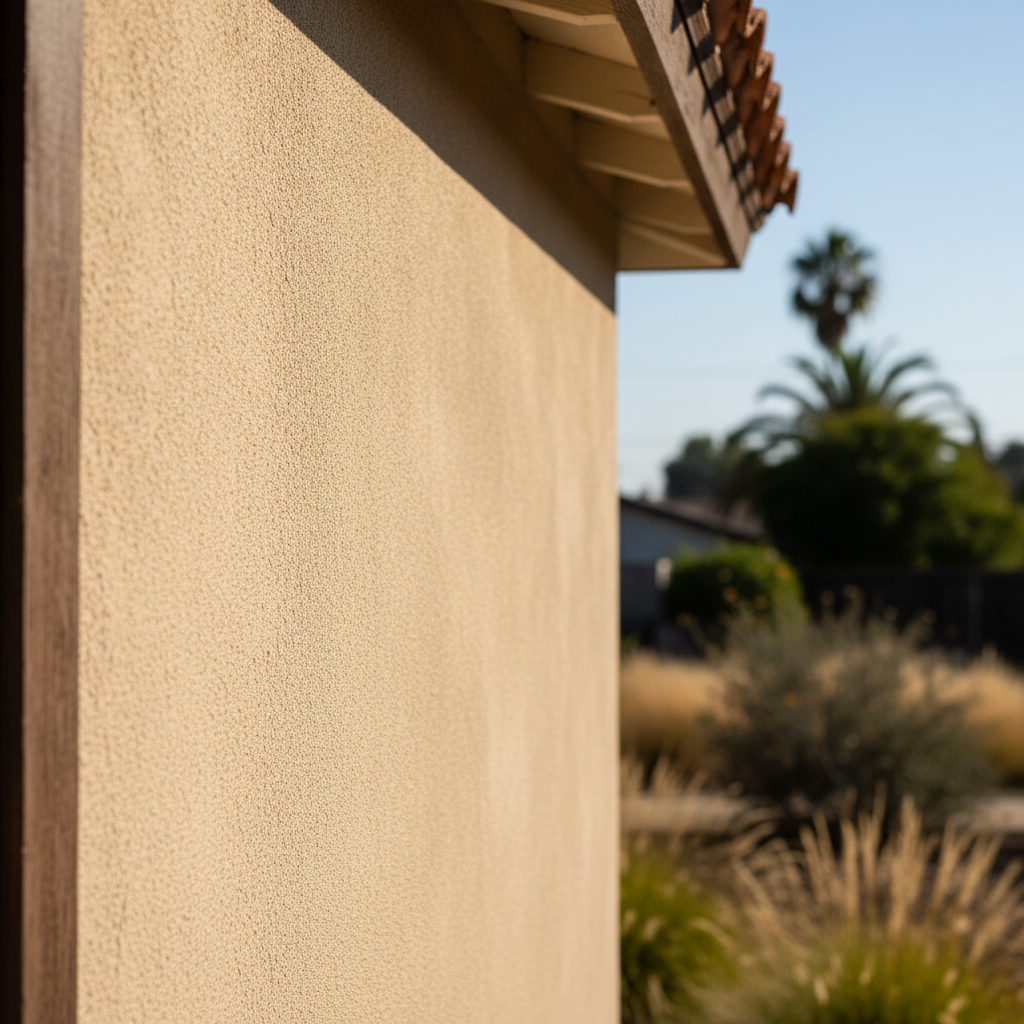
Look, I get it. Most folks only think about a stucco inspection when they're in the middle of buying or selling a house. And yeah, it's absolutely critical then. A pre-purchase inspection can save you from inheriting a real money pit, and a pre-listing inspection helps you avoid those last-minute surprises that can kill a deal. But honestly? That's not the *only* time to do it. Think of it like getting your car's oil changed or seeing the dentist for a check-up. Your home's stucco is its skin, protecting everything inside from our intense Burbank sun and those occasional heavy rains. Regular inspections, maybe every 5-7 years, can catch small issues before they become huge, expensive headaches. It's just preventative maintenance, plain and simple.
What exactly are you looking for during an inspection?
When I'm out on a job, whether it's in the Rancho neighborhood or up in the hills, I'm not just giving your stucco a quick once-over. I'm looking for a whole range of things. First, there's the obvious stuff like cracks – not all cracks are bad, but I'm checking for patterns, sizes, and locations that might mean structural movement or water getting in. I'm also looking for efflorescence, that white, powdery stuff that tells me water is dissolving salts from the masonry as it seeps through. I check for delamination, where the stucco is separating from the wall, and soft spots that can signal rot underneath. I'll pay close attention to the flashing around windows, doors, and rooflines too. A lot of water problems start right there because it's often installed wrong or has just worn out over time. Seriously, we're talking about a thorough, top-to-bottom assessment of the entire stucco system.
Can't I just do a visual check myself?
You absolutely can, and you should! Walk around your house periodically, especially after a good rain, and look for anything out of the ordinary. But here's the thing: a lot of the serious problems with stucco aren't visible to the untrained eye. Water can be getting behind the stucco for months, even years, without showing any obvious signs on the surface. By the time you see a big stain or a chunk of stucco falling off, you've likely got significant damage already. I use specialized tools, like moisture meters, to detect hidden moisture behind the stucco, even if it looks perfectly fine from the outside. That's the kind of detective work that prevents major repairs down the line.
How long does a typical stucco inspection take?
It really depends on the size and complexity of your home. A smaller, single-story house might take me an hour or two. A larger, multi-story home with lots of architectural details, multiple windows, or challenging access could easily take three to four hours. I'm not rushing through it, believe me. I need to be thorough, checking every wall, every penetration, every corner. It's not just about speed; it's about accuracy. You're paying for my expertise and my time to give you a complete picture of your stucco's health.
What happens after the inspection? Do I just get a bill?
No way. After I've gone over your property, I'll put together a detailed report for you. This isn't just a few bullet points; it's a comprehensive document. It'll outline everything I found, good and bad, with explanations in plain English. I'll include photos of any problem areas so you can see exactly what I'm talking about. Most importantly, I'll give you clear recommendations. This might be anything from minor crack sealing to more extensive repairs, or just some advice on ongoing maintenance. If repairs are needed, I'll provide a transparent estimate for the work. My goal isn't just to point out problems; it's to give you a roadmap for keeping your stucco in top shape. That's what we do at Burbank Stucco & Plastering.
What if you find major problems? What are my options?
If we find significant issues, don't panic. It's usually fixable. Your options really depend on how bad the damage is and what caused it. For localized water intrusion and rot, it might mean cutting out the damaged sections, repairing the underlying sheathing and framing, fixing the source of the water (like faulty flashing), and then patching the stucco. If the damage is widespread, or if the stucco system itself is failing due to age or improper installation, you might be looking at a full re-stucco. We'll walk through all the possibilities, explain the pros and cons of each, and help you understand the costs involved. My job is to give you the information you need to make the best decision for your home and your budget.
Is there anything I should do to prepare for the inspection?
Not much, really. Just make sure I have clear access around the exterior of your home. If you have a lot of overgrown bushes or plants right up against the house, trimming them back a bit helps me get a good look at the stucco. Clear any clutter from around windows and doors if you can. And if you know of any specific areas you're concerned about, point them out to me when I arrive. Any information you can share about past leaks or issues is always helpful. Otherwise, just let me do my thing. I'll take care of the rest.
How often should I get my stucco inspected?
For most homes in Burbank, I recommend a professional inspection every 5 to 7 years. If your home is older, or if you've noticed any signs of wear and tear, or if we've had a lot of recent heavy rain, it's probably smart to do it sooner. Think about the age of your stucco, too. If it's pushing 20-30 years old and hasn't had much attention, it's definitely time to get it checked out. It's a small investment that can save you a ton of money and stress down the road by catching issues before they spiral out of control.