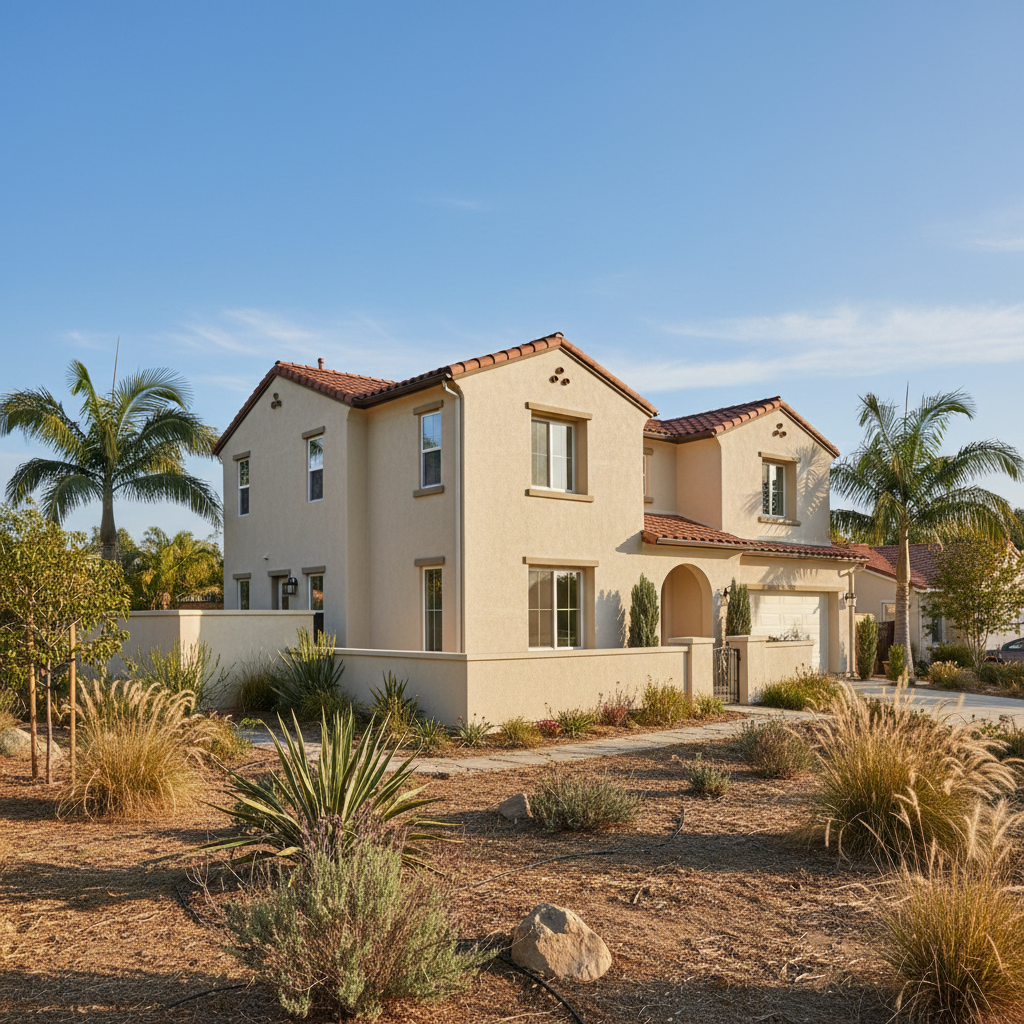
When's the best time to get stucco done on your house? People ask me that a lot, and honestly, it's a great question. It's not just about when *you're* ready; it's about when the weather right here in Burbank is ready for us to do the absolute best job possible. After all these years working with Burbank Stucco & Plastering, I've seen firsthand just how much the seasons can affect how good your stucco looks and how long it lasts.
Burbank's Climate and Your Stucco: What You Need to Know
Our weather here in Burbank is pretty unique, wouldn't you say? We get those long, hot, dry summers, then cooler, sometimes damp, winters. Both extremes can be tricky for stucco if you don't plan things out. Stucco needs very specific conditions to cure correctly. It's not like painting a wall inside your house where the temperature stays the same all the time.
Think about it: stucco is a cement-based product. It needs to dry and harden at a nice, steady pace. If it dries too fast, you'll see cracks. If it's too wet or cold, it won't cure right, which means a weaker finish and potential problems later on. That's why we really pay attention to the forecast before we even think about mixing that first batch. It just makes sense.
The Best Stucco Season in Burbank
For us, the sweet spot for stucco installation in Burbank usually falls in the spring and fall. Why those times?
- Spring (March to May): Temperatures are generally mild then. You're past the worst of the winter rains, but you haven't hit those scorching summer highs yet. The air isn't too dry, letting the stucco cure slowly and evenly. This is prime time for new installations or a full redash.
- Fall (September to November): Much like spring, the summer heat starts to back off, and we usually get a nice stretch of moderate temperatures. The air still has some humidity, which stops things from drying too quickly. It's a great window before the cooler, potentially wetter winter months really settle in.
These periods give the stucco its best chance to get to maximum strength and stick properly. It's all about making a durable, beautiful finish that'll protect your home for decades.
What About Summer and Winter?
Can we do stucco in the summer? Sure, we can, but it definitely brings challenges. Those 90-degree-plus days we get, especially in areas like the hills near the Verdugo Mountains, mean we have to take extra precautions. We might need to start earlier in the day, work in shaded areas, and sometimes even mist the stucco lightly to keep it from drying too fast. Rapid drying can lead to hairline cracks, and nobody wants those. It's more labor-intensive work, and sometimes, if your project isn't super urgent, it's just better to wait for milder weather.
Winter's a different story. While our winters aren't like, say, back east, we do get cold snaps and rain. Stucco shouldn't go on when temperatures are consistently below 40 degrees Fahrenheit, especially if it's going to drop even lower overnight. Rain is also a big no-go during application and for a few days afterward. It can wash out the fresh stucco or stop it from bonding right. If we're in a rainy spell, we'll have to postpone. Your investment is just too important to rush it in bad weather.
Protecting Your Stucco Investment Year-Round
Once your stucco is up, keeping it protected is pretty straightforward. Here's what I always tell my clients:
- Watch your sprinklers: Make sure they aren't constantly drenching your stucco walls. Too much moisture can cause algae to grow and eventually mess with the finish.
- Trim back foliage: Bushes and trees too close to the house can trap moisture against the stucco, stopping it from drying out. Give your walls some room to breathe.
- Regular inspections: Just walk around your house a couple of times a year. Look for any cracks, especially around windows and doors. Catching small issues early can save you a lot of headache and money down the road, believe me.
- Clean gently: If your stucco gets dirty, a gentle wash with a hose and a soft brush is usually all it needs. Stay away from high-pressure washers; they can damage the finish.
Choosing the right time for your stucco project isn't just about convenience; it's about making sure your home gets the best possible outcome. We're always happy to chat through the best schedule for your specific project and location in Burbank. Give us a call at Burbank Stucco & Plastering, and we'll help you figure it out.