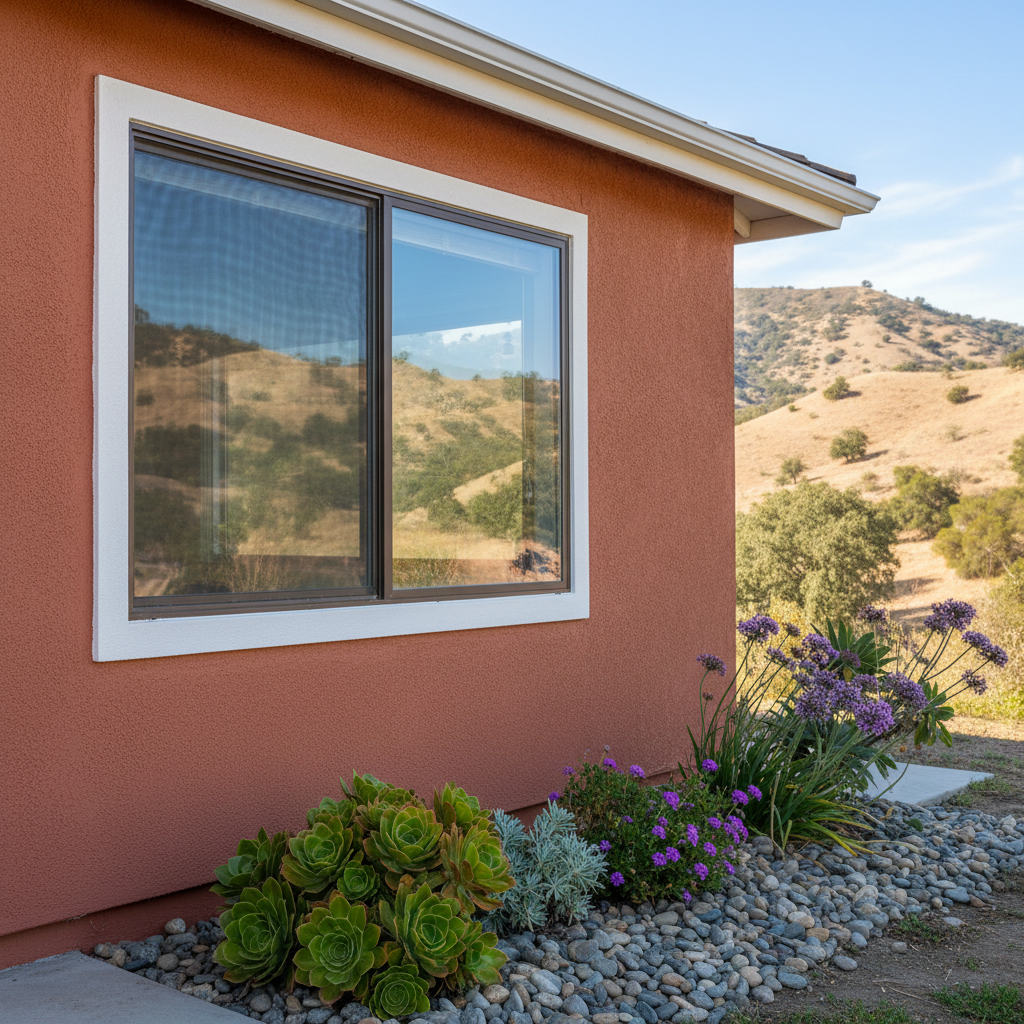
So, you just put money into a stucco redash for your Burbank home. Maybe you picked a classic smooth finish, or perhaps you went with that textured Santa Barbara style. Either way, it looks fantastic, right? But here's the thing: a redash isn't a "set it and forget it" kind of deal, not with our California sun and those occasional Santa Ana winds. You want that investment to last, and I'm here to tell you how to make it happen.
Make Your Redash Last Longer: It's All About Protection
The sun is the biggest enemy of any exterior finish here in Burbank. We get a lot of it, and it's intense. UV rays can fade colors and, over time, break down the binders in your stucco. That's why, when we do a redash at Burbank Stucco & Plastering, we're always thinking about durability from the very beginning. But once it's finished, there are definitely things you can do yourself.
- Good Paint or Sealant: If your redash got painted, make sure it was with a high-quality, breathable acrylic elastomeric paint. This stuff is designed to stretch and move with your home, resisting cracks and offering excellent UV protection. If it wasn't painted, a clear, breathable sealant can do wonders for protecting the color and surface. Don't just slap anything on there; ask your stucco professional what they recommend for *your* specific finish.
- Proper Drainage is Key: Water is another big problem. Make sure your gutters are clean and actually directing water away from your stucco walls. Your landscaping should be graded so that water flows away from your foundation, not pooling against the stucco. Even a small, consistent drip from an overflowing gutter can cause staining, efflorescence, and eventually, real damage.
- Trim Those Trees and Shrubs: Keep plants from directly touching your stucco. Branches rubbing against the wall can scratch the finish, and constant moisture from leaves can help mold or mildew grow, especially in shadier spots.
Regular Maintenance: Small Steps, Big Results
You don't need to be out there every weekend, but a little regular attention really goes a long way. Think of it like taking care of your car; you wash it, you check the tires. Same idea, different surface.
- Annual Inspection: Walk around your house once a year, maybe in the spring after any winter rains. Look closely at the stucco. Are there any hairline cracks starting? Is the paint fading unevenly? Any dark spots that might mean moisture? Pay extra attention around windows, doors, and where different materials meet.
- Gentle Cleaning: For general dirt and grime, a soft brush and a garden hose are usually all you need. For tougher spots, you can use a mild detergent solution (like dish soap and water) and a soft brush. Always rinse thoroughly. NEVER use a high-pressure washer on stucco, especially a fresh redash. You could damage the finish, blast off paint, or even force water into the wall system, which is exactly what you want to avoid.
- Address Stains Promptly: If you spot mildew or algae, a solution of one part bleach to three parts water can usually take care of it. Apply it, let it sit for a few minutes, then rinse well. For rust stains, there are specific rust removers for masonry; just make sure they're safe for stucco.
Warning Signs: When to Pay Closer Attention
Your stucco will usually give you clues when something's not right. Don't ignore these signals.
- Cracks That Grow: Hairline cracks are pretty normal with stucco's natural expansion and contraction, especially with our temperature swings between hot days and cooler nights. But if a crack is getting wider, longer, or you can stick a credit card into it, that's a problem. These could mean structural movement or water penetration.
- Discoloration or Staining: Beyond surface dirt, look for persistent dark streaks, especially below windows or rooflines. This almost always points to a water intrusion issue. White, powdery stains (efflorescence) mean water is getting into the stucco and dissolving salts within the material, bringing them to the surface as it evaporates.
- Bulging or Soft Spots: If you push on the stucco and it feels soft, spongy, or you see a bulge, that's a serious red flag. It means water has likely gotten behind the stucco and is damaging the lath or sheathing underneath. This needs immediate professional attention.
- Peeling or Flaking Paint: If your paint is peeling, it could be a sign of moisture trapped behind it, or simply that the paint wasn't applied correctly or wasn't the right type for stucco.
When to Call a Professional
Look, I'm a firm believer in homeowners doing what they can. But some things are best left to the pros. If you see any of those serious warning signs like growing cracks, persistent water stains, or soft spots, don't try to DIY it. You could make it worse. Call someone who knows stucco. We've seen it all here in Burbank, from homes in the hills of the Verdugos dealing with drainage issues to older properties near the studios with decades-old stucco systems. A good stucco contractor can diagnose the problem, explain what's going on, and fix it properly. It'll save you money and headaches in the long run.
Maintaining your redashed stucco isn't rocket science, but it does require a little bit of care and observation. Stay on top of it, and your home will keep looking great for years to come.