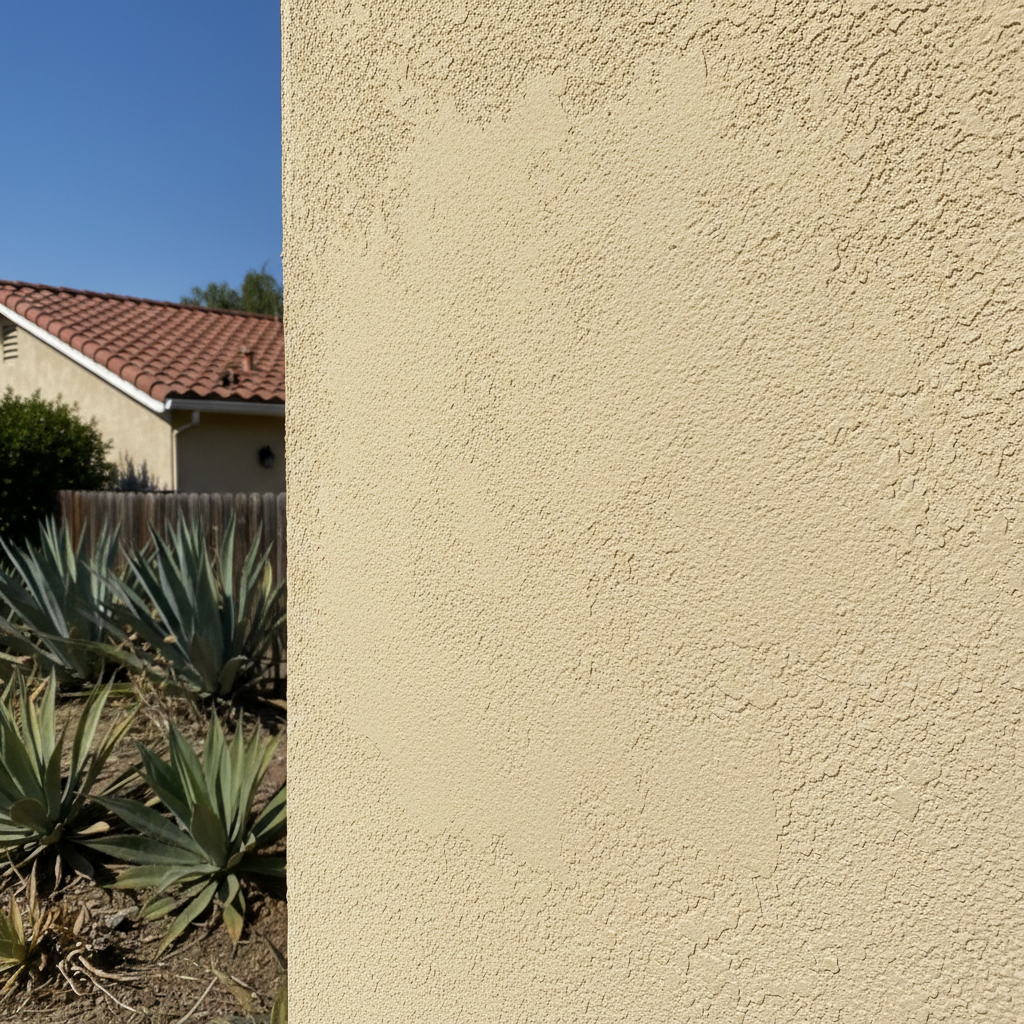
What's causing these cracks in my stucco?
This is probably the question I get asked most often. And it's a good one, because cracks are usually the first sign something's up with your stucco. There are a few main culprits we see.
First, you've got your hairline cracks. People often call these 'checking' or 'craze cracking.' They're usually pretty shallow, happening when the top coat dries too fast or maybe the mix wasn't quite right. Mostly, they're just a cosmetic thing, but over time, they *can* let a little water in if you don't seal them up.
Then there are structural cracks. These are bigger, you'll often see them running diagonally from window or door corners, or showing up where different building materials meet. These can signal foundation movement, seismic activity (we are in California, after all!), or just the house settling over time. If you spot a crack wider than a credit card, or one that's clearly growing, you definitely want to get it checked out. We see a lot of this in older homes, especially in the hillside areas of Burbank, where shifting soil can really put stress on foundations.
Another common cause is water damage. If water gets behind the stucco, it can make the lath and sheathing swell up. This pushes the stucco out, creating cracks or bulges. You usually find this around windows, doors, or rooflines where the flashing might be compromised.
How do I know if my stucco needs repair or a full replacement?
That's a big difference in cost and scope, so it's smart to ask about it. Small, isolated cracks, minor impact damage, or areas where the stucco is just a little loose are usually good candidates for a repair. If it's mostly cosmetic and the underlying structure is sound, a patch job or a re-dash (that's applying a new finish coat right over the existing one) can work wonders. It'll extend your stucco's life for years.
However, if you're seeing widespread cracking, large sections of stucco delaminating (actually coming off the wall), significant water intrusion leading to rot in the sheathing, or if the stucco is just crumbling in multiple places — well, you're probably looking at a replacement. Sometimes, homeowners just want to change the look entirely, like going from a smooth finish to a Santa Barbara texture. In those cases, a full redo might make more sense than trying to patch and blend a new texture. Really, it boils down to how bad the damage is and what your long-term goals are for the property.
Can I just patch it myself, or do I need a pro?
Look, I'm all for homeowners tackling DIY projects. But stucco repair isn't like painting a wall, you know? It's both an art and a science. For tiny, hairline cracks, you might be able to use a good quality elastomeric caulk or a small patch kit. But anything beyond that, and you're really better off calling in someone who knows what they're doing. Matching the texture and color is incredibly difficult, even for experienced pros. Stucco isn't just one layer; it's usually a three-coat system, and each layer has a very specific job.
If you don't prepare the surface properly, don't use the right materials, or don't apply it correctly, your patch will stick out like a sore thumb. Or worse, it won't last and could even make the problem worse by trapping water. I've seen plenty of DIY patches that end up costing more to fix than if the homeowner had just called Burbank Stucco & Plastering in the first place. Seriously, save yourself the headache and potential damage.
How long does stucco repair usually take?
This really varies depending on how big and complex the repair is. A small patch job for a few hairline cracks might only take a few hours of actual work, spread over a couple of days to allow for drying times between coats. If we're talking about repairing a larger section — say, a 10x10 foot area with water damage — that could be anywhere from a few days to a week. This includes time for prep work, applying the scratch coat, brown coat, and then the finish coat, plus the crucial drying time in between each layer.
We have to factor in weather, too. Extreme heat, like we get in Burbank summers, or unexpected rain can affect drying times and how the stucco cures. We always aim to work efficiently, but we absolutely won't rush a job if it means compromising the quality and longevity of the repair.
What's the typical cost for stucco repair in Burbank?
This is another one where there's no single answer, unfortunately. Stucco repair costs depend on several factors: the size of the damaged area, how complex the repair is (is it just surface cracks or is there underlying rot?), the type of stucco finish you have (smooth finishes are harder to match than textured ones, for example), and how accessible the damaged area is. If we need scaffolding or special equipment to reach a high spot, that definitely adds to the cost.
Generally, you could be looking at a few hundred dollars for very minor cosmetic repairs, all the way up to several thousand for larger, more involved sections, especially if structural repairs or extensive water damage remediation are needed. The best way to get an accurate estimate is to have a professional come out and assess the damage. We offer free, no-obligation estimates because we know every situation is unique.
How can I prevent future stucco damage?
Prevention is key, and there are definitely things you can do. First, keep an eye on your gutters and downspouts. Make sure they're clean and directing water away from your foundation. Overflowing gutters are a super common cause of water getting behind stucco. Second, regularly inspect your stucco for any new cracks or signs of wear, especially around windows, doors, and rooflines. Catching small issues early can prevent them from becoming big, expensive problems.
Also, make sure your landscaping isn't causing issues. Plants and shrubs growing too close to the stucco can trap moisture against the wall. Keep them trimmed back a few inches. Finally, consider a good quality elastomeric paint or sealant for your stucco every 5-10 years. This adds an extra layer of protection against moisture and UV damage, helping to keep your stucco looking good and performing well for a long time. It's all about proactive maintenance, just like with any other part of your home.