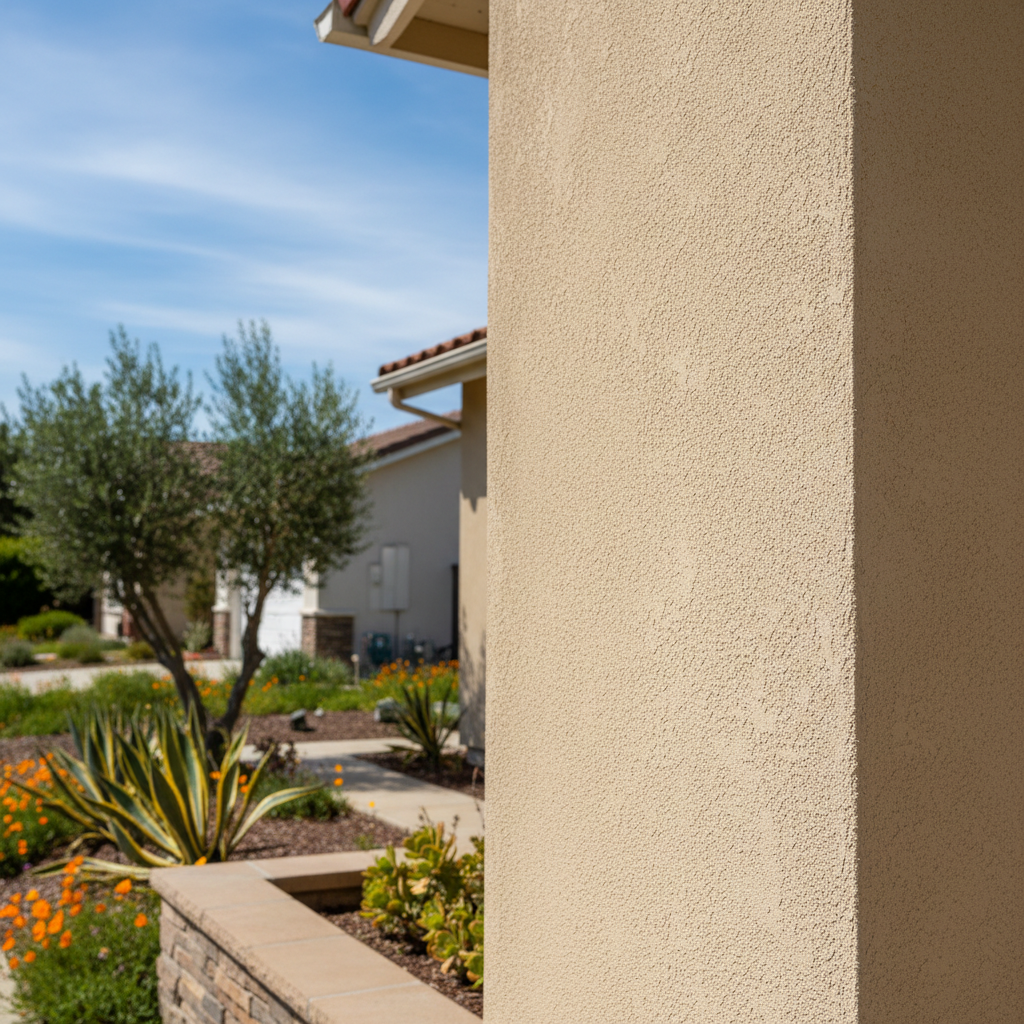
Alright, let's talk commercial stucco. You've got a business here in Burbank, and chances are, your building's got stucco on it. It's a great material – durable, versatile, and looks good when it's done right. But even the toughest stucco isn't maintenance-free, especially with our unique Southern California climate. I've seen it all in my years running Burbank Stucco & Plastering, from minor cracks to major water damage that could've been avoided. So, how do you keep your commercial stucco looking good and protecting your investment for the long haul?
Extend Your Stucco's Life: The Basics
The biggest thing you can do for your commercial stucco is simple: keep it clean. Dust, grime, smog, and even the occasional bird droppings we get here in the Valley can build up. That stuff doesn't just look bad; it can hold moisture against the surface and, over time, degrade the finish. I recommend a gentle wash down at least once a year. Use a low-pressure washer – and I mean low pressure – or even just a garden hose with a soft brush. You don't want to blast the stucco, just rinse off the surface dirt. For tougher spots, a mild detergent solution (like dish soap and water) can work wonders. Just make sure to rinse thoroughly.
Another big one for our climate? Sun exposure. The intense UV rays we get year-round can fade colors and make the stucco more brittle over time. A high-quality elastomeric paint or coating applied every 7-10 years can make a huge difference. It's not just for looks; these coatings add a flexible, waterproof layer that helps protect the stucco underneath from both sun and moisture intrusion.
Regular Maintenance: What to Look For
Think of your stucco like the skin of your building. You wouldn't ignore a cut, right? Same goes for stucco. You should be doing a visual inspection of your commercial property's stucco at least once or twice a year. Walk around the entire building, paying close attention to a few key areas:
- Corners and Edges: These are often stress points where cracks can start.
- Around Windows and Doors: Flashing failures or sealant issues here are common culprits for water intrusion. Look for staining or discoloration below these openings.
- Near the Ground: Check the weep screed or foundation line. Stucco shouldn't be in direct contact with the soil. If it is, that's a problem that needs fixing.
- Under Eaves and Overhangs: Sometimes water can wick up into these areas if drainage isn't right.
- Anyplace There's a Change in Material: Where stucco meets brick, wood, or stone, look for gaps or failing caulk.
If you see any minor cracks, less than 1/16th of an inch wide, you can usually caulk them yourself with an elastomeric caulk. Just make sure it's paintable if you want it to blend in. For anything bigger, or if you're unsure, that's when you call in a pro.
Warning Signs of Bigger Problems
Some things you absolutely shouldn't ignore. These are red flags that tell you there's likely a more serious issue going on:
- Large Cracks: Anything wider than a credit card, or cracks that form a spiderweb pattern, often indicate structural movement or significant water damage behind the stucco.
- Bulging or Soft Spots: If you press on the stucco and it feels soft, spongy, or bulges out, that's almost certainly trapped moisture and rot. Don't wait on this.
- Staining or Discoloration: Dark streaks, especially below windows, doors, or rooflines, are a dead giveaway for water intrusion. Sometimes it's green or black, indicating mold or mildew growth.
- Separation from Trim or Flashing: If the stucco is pulling away from window frames, door frames, or roof flashing, it's creating an open pathway for water.
- Efflorescence: This is that white, powdery substance you sometimes see. It's mineral salts left behind when water evaporates from the stucco. It means water is getting in and then drying out, leaving deposits.
- Pest Infestations: Termites love damp wood, and if water is getting behind your stucco, you're creating a perfect environment for them.
When to Call a Professional
Look, I'm not going to tell you to call me for every little thing. But there are definitely times when DIY isn't the answer, and trying to fix it yourself could make things worse or cost you more in the long run. You should call a professional stucco contractor like Burbank Stucco & Plastering when:
- You see any of the