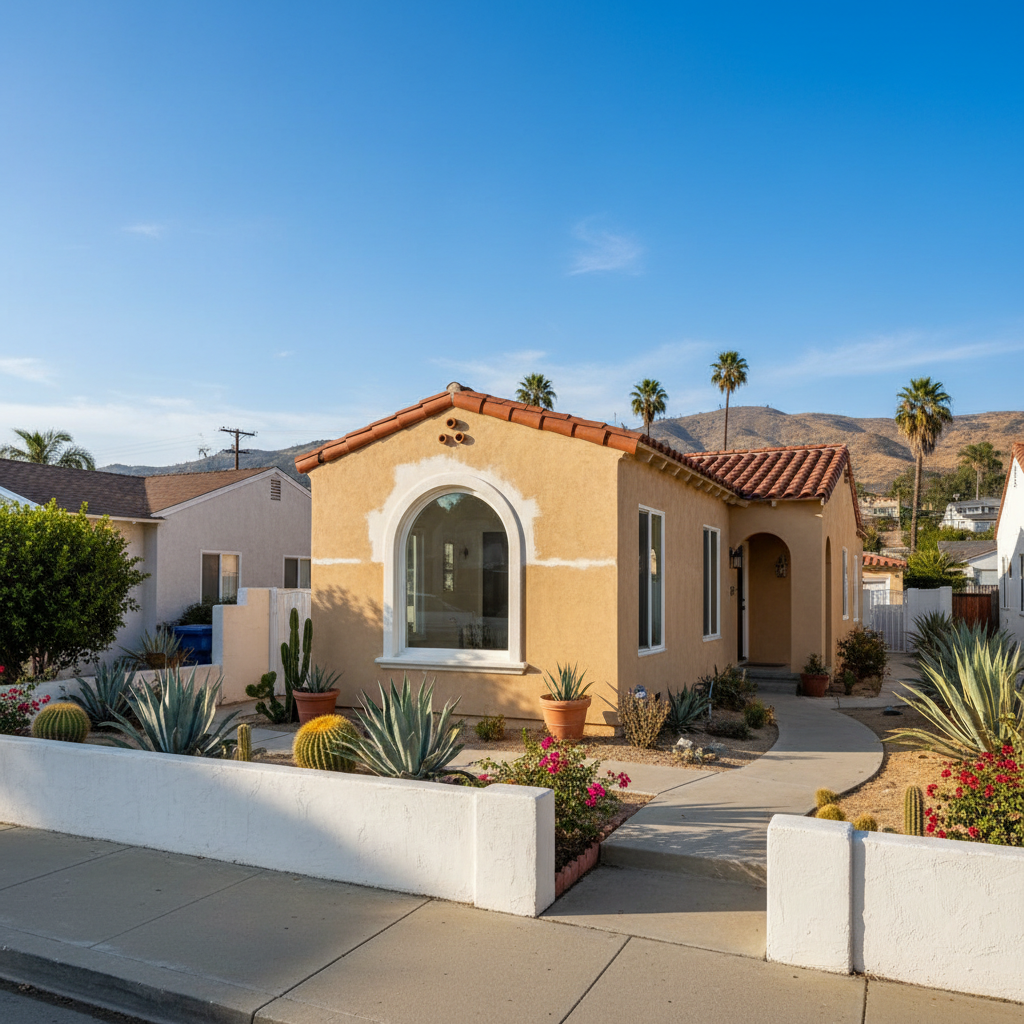
You've got cracks in your stucco, right? It's a common sight around Burbank, especially after a few hot summers and those dry Santa Ana winds we get. When those lines start snaking across your walls, it's easy to think, "Oh, it's just cosmetic." But I'm here to tell you it's often more than that. Getting it fixed right means really understanding what's going on underneath.
Why Stucco Cracks Happen Here in Burbank
Stucco is tough, no doubt about it. That's why it's been a go-to for homes all over Southern California for decades. But even the toughest materials have their limits, and our local conditions really put stucco to the test. Think about it: we get those scorching 100-degree days in August, then it cools down significantly at night. That constant expansion and contraction? It stresses the material. Over time, those tiny stresses add up, and boom, you get cracks.
Then there's the ground. Burbank sits on some pretty active soil. We're not talking about major earthquakes every day, but even minor ground movement or settling can put pressure on your home's foundation and, by extension, your stucco. I've seen it countless times in older homes around the Chandler Boulevard area. Original foundations there might not be as robust as what we build today. Sometimes it's a hairline crack; other times, it's a bigger spiderweb pattern that tells you there's more going on than just surface wear.
Water is another big one. We don't get a ton of rain, but when we do, it can be heavy. If your gutters aren't doing their job, or if you've got landscaping directing water right against your foundation, that moisture can seep behind the stucco. Once water gets in, it can wreak havoc. It can cause wood lath to rot, metal lath to rust, and eventually, the stucco itself starts to delaminate or crumble. You might even see efflorescence – those white powdery stains – which is a dead giveaway that water's been getting where it shouldn't.
Not All Cracks Are Created Equal
When I come out to a house, say in the hills above the DeBell Golf Club or down in the flatlands near the studios, the first thing I do is assess the type of crack. They tell me a story:
Hairline cracks: These are usually pretty shallow, often just in the finish coat. They're common and can come from normal curing shrinkage or minor temperature changes. We can usually fix these with a good quality elastomeric patch and a fresh coat of paint or a skim coat.
Spiderweb cracks: When you see a network of cracks, often radiating from a central point, that can point to a larger issue. It might be a settlement problem, or perhaps the stucco wasn't applied correctly in the first place, leading to uneven drying. These need a closer look to make sure we're not just patching over a symptom, you know?
Horizontal or vertical straight cracks: These can be more serious. They might indicate structural movement, a framing issue, or even a problem with the foundation. If I see a crack running straight up from a window corner or across a wall, my antennae go up. We'll need to investigate the cause before we even think about patching.
Bulging or delaminating stucco: This is a sign that the stucco is separating from the wall, often because of water getting in or improper bonding. You might be able to push on it and feel it give. This usually means we're looking at a larger repair, often removing the compromised section and reapplying new material.
Why Local Expertise Matters for Your Burbank Home
You can find plenty of stucco repair companies, but not all of them truly understand the nuances of working here in Burbank. We've been doing this for years at Burbank Stucco & Plastering, and we've seen it all. We know the common building practices from the 40s and 50s, the ones from the 70s, and what's being done today. That matters, because how a house was built impacts how it ages and how it needs to be repaired.
For example, many older homes in Burbank have original wood lath and three-coat stucco systems. Repairing that isn't the same as patching a modern, synthetic stucco system. You need to match the materials, the texture, and the application technique to ensure the repair blends perfectly and, more importantly, lasts. We also know the local building codes inside and out. You don't want a repair that looks good for a year only to fail because it wasn't done to code or didn't account for our specific climate.
We also understand the local aesthetics. Whether you're in a historic district or a newer development, you want your repair to match the existing finish. We take pride in our ability to color match and texture match so your repair isn't an obvious patch job. It's about preserving the character of your home, not just slapping some stucco on it.
Don't Wait Until It's a Bigger Problem
I can't stress this enough: don't put off stucco repairs. A small crack today can become a big problem tomorrow, especially if water gets in. What starts as a relatively simple patch job can quickly escalate into needing to replace sections of sheathing, framing, or even dealing with mold. It's always more cost-effective to address these issues early.
If you're seeing cracks, discolored areas, or any other signs of stucco trouble on your Burbank home, give us a call. We'll come out, take a look, and give you an honest assessment of what's going on and what it'll take to fix it right. We're your neighbors, and we're committed to keeping Burbank homes looking great and standing strong.