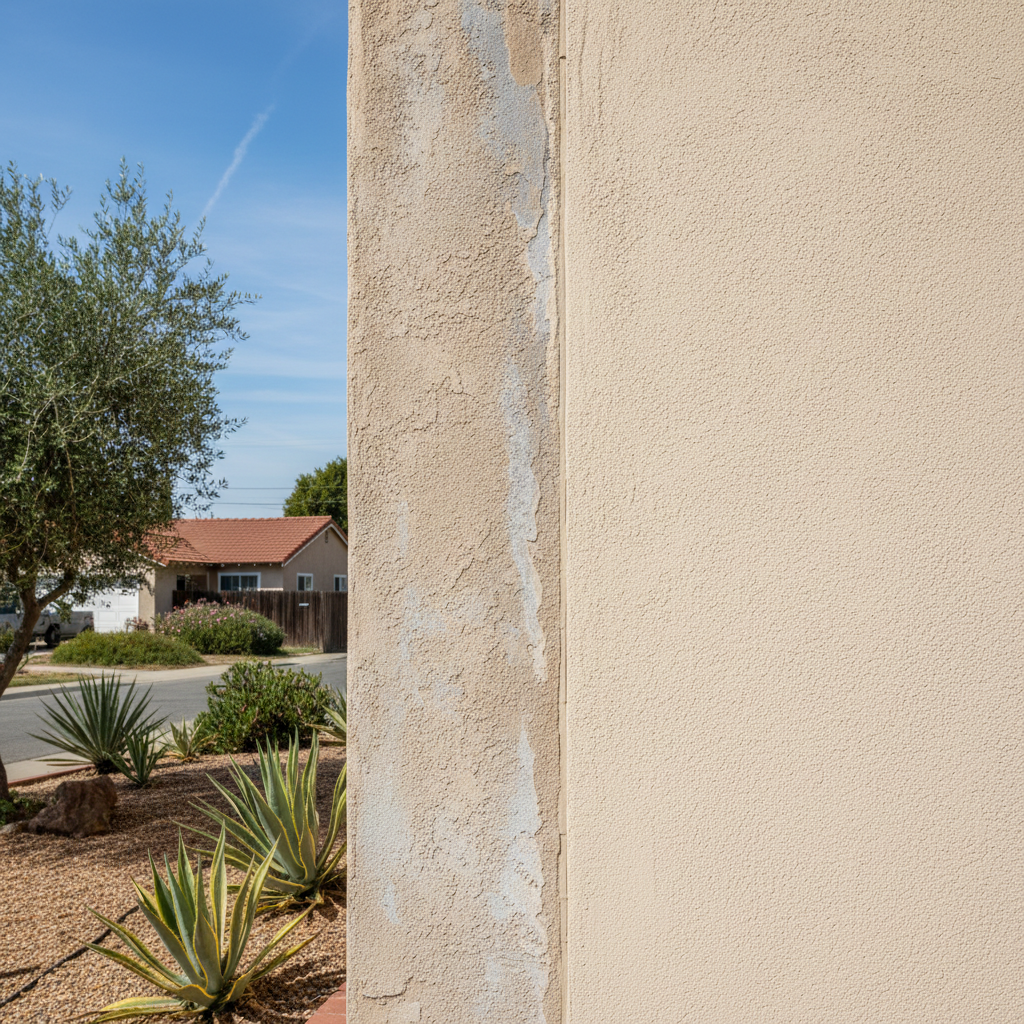
Your stucco's looking a bit worn out, maybe it's got some tiny cracks, or you're just itching for a fresh look. So, you're thinking about a redash. Good call! It's honestly one of the best ways to protect your home and really boost its curb appeal. But here's where homeowners often hit a wall: do you just slap a new finish coat over the old stuff, or do you strip it all down and start from scratch?
I've seen both methods work beautifully, and, well, I've definitely seen them go sideways. As a local contractor with Burbank Stucco & Plastering, I've worked on enough homes in this town to know that what's right for one house might not be the best for another. That's especially true with our varied housing stock, everything from those older homes in the Rancho to the newer builds up in the hills.
Option 1: Just a New Finish Coat (Over What's Already There)
This is usually what folks imagine when they hear 'redash.' Basically, you're putting a new layer of finish stucco right over your existing one, after we get it prepped properly. Think of it like giving a wall a fresh coat of paint, but, you know, with stucco.
Pros:
- Saves Money Upfront: Generally, this is the cheaper way to go initially. You'll save on labor and disposal costs since we're not tearing anything off.
- Quicker Job: No demolition means the job usually wraps up faster. Less disruption to your daily routine, which is always nice.
- Less Mess: Without huge piles of old stucco to haul away, the job site stays much tidier.
- Good for Small Problems: If your existing stucco is structurally sound — just a bit faded, has minor cracks, or an outdated texture — a new finish coat can really make it shine.
Cons:
- Adds Weight: You're piling another layer of material onto your home's exterior. Most houses can handle it, but it's worth thinking about, especially if you already have several stucco layers.
- Doesn't Fix Hidden Issues: This is the big one, honestly. If you've got significant cracking, water getting in, or delamination (where the stucco is peeling away from the wall), just covering it up is like putting a band-aid on a broken leg. The problem will probably pop up again, sometimes even worse.
- Limited by the Old Stucco: The new coat is only as good as what it's covering. If the old stucco is weak, the new stuff won't bond as well or last as long.
- Walls Can Get Thicker: Each layer adds bulk, and sometimes that can make window and door trim look a bit recessed.
Option 2: The Full Tear-Off and Re-Stucco
This method means we completely remove all the old stucco, right down to the sheathing (or even the framing, depending on how it was originally built). Then, we apply a brand-new stucco system from the ground up, including new paper, lath, scratch, brown, and finish coats.
Pros:
- Fixes Everything: This is the most thorough solution, no doubt about it. We can check the sheathing, framing, and flashing for any hidden damage, water leaks, or dry rot that might be lurking underneath. This is super important in Burbank, especially after a wet winter, since moisture can really mess with older homes.
- Lasts the Longest: A brand-new stucco system, installed correctly, will give you the best durability and longevity. You're basically hitting the reset button on your home's exterior.
- Might Improve Energy Efficiency: If we find and seal air leaks or can upgrade the building paper, you could see a small bump in your home's insulation.
- Total Design Freedom: You're starting with a clean slate. You can change textures, colors, and even add architectural details without being stuck with the old finish.
- Real Confidence: You'll know exactly what's behind your walls and that your stucco system is solid and put in right.
Cons:
- Costs More: There's no way around it; tearing off old material, hauling it away, and then building a new system costs more in both labor and materials.
- Takes Longer: Demolition eats up time, and then you're building a full system with multiple coats that need to dry between applications.
- More Disruptive: It's a messier, noisier process. You'll have debris, and your home's exterior will be exposed for a while.
- Potential for Surprises: While uncovering underlying issues is a good thing, finding unexpected damage (like a lot of dry rot) can add to the cost and timeline.
Which One Should You Choose?
For most homes in Burbank, especially those built before the 1980s that might have seen a few previous stucco jobs, I usually lean towards a full tear-off if your budget allows. Why? Because I've seen too many times where covering up old problems only leads to bigger, more expensive ones down the road. Especially with our summer heat and occasional heavy rains, you really want an exterior that's truly sound.
However, if your stucco is relatively new (say, under 20-30 years old), has only minor cracks, no signs of water damage, and you're just looking for a cosmetic refresh or a color change, then a new finish coat can be a perfectly good and economical choice. It really boils down to the condition of your existing stucco and what you're trying to achieve.
Before you make up your mind, get a professional assessment. We'll come out, take a good look at your home's specific situation, and give you an honest recommendation based on what we see. That way, you'll know you're making the best decision for your home and your wallet in the long run.