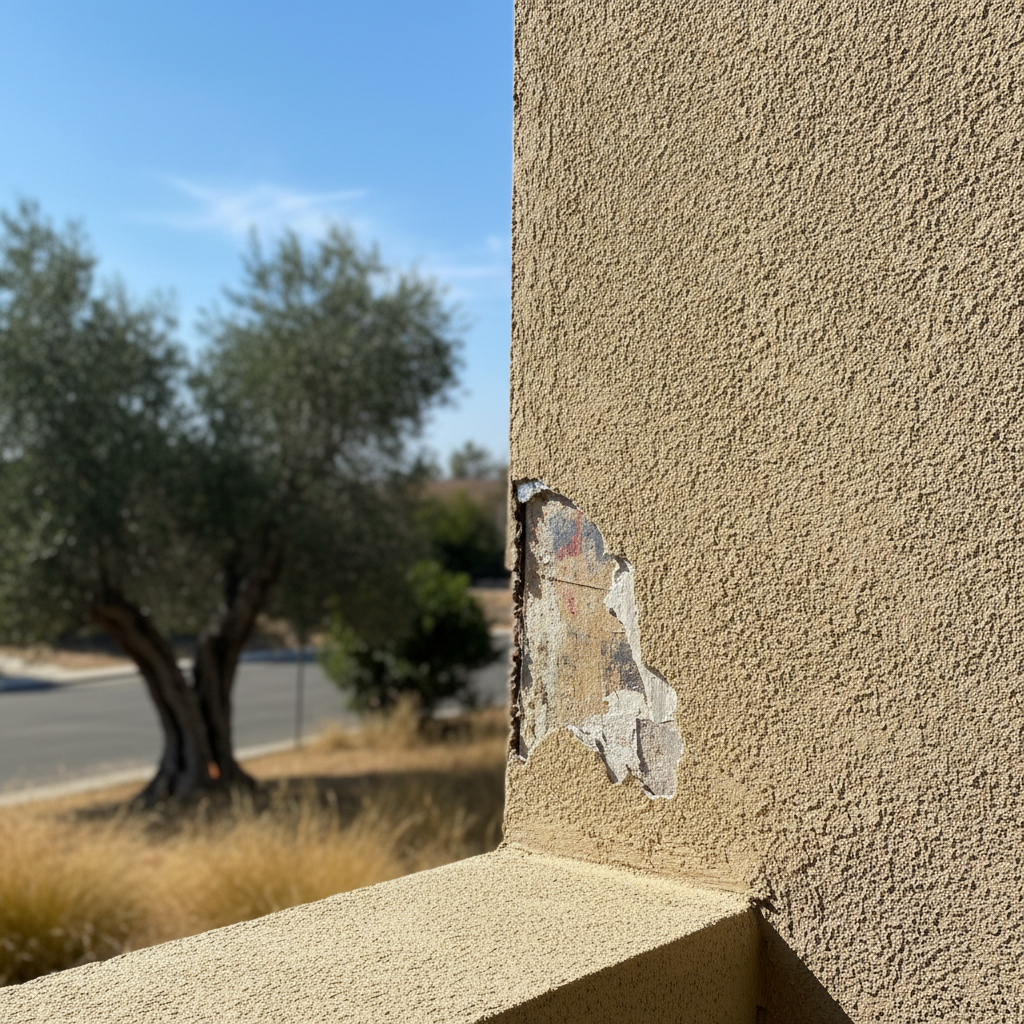
So, you're looking at your house. Maybe you've got some cracking, or perhaps you're just tired of the stucco look. You're probably thinking, "Can I just rip this stuff off myself?" It's a common question I get from folks all over Burbank, from the hills of the Verdugos right down to the flatlands near the studios. The quick answer is, maybe, if it's just a tiny patch. But for a whole house? Probably not, and let me tell you why.
Before You Start: The Big Questions
First things first, you've got to ask yourself a few things. What's hiding under that stucco? Most homes in Burbank, especially the older ones built in the 40s and 50s, have wood siding underneath. Sometimes it's T1-11, sometimes it's original redwood or cedar. But it's not always in great shape, you know? You might find dry rot, termite damage, or just plain old wear and tear. You won't know until you start peeling back the layers, and that's always a bit of a gamble.
Another thing to consider: why are you removing it? If only a small section has failed, maybe a repair or a re-dash would be a better, less invasive choice. If you're going for a completely different look—like board and batten or brick—then full removal makes sense. Just be ready for what you might uncover.
The DIY Stucco Removal Reality Check
Let's be real here: stucco removal is messy, dusty, and hard work. It's nothing like pulling off wallpaper. Stucco is basically cement, sand, and water, applied in layers. We're talking about a heavy, brittle material that doesn't come off in nice, neat sheets, unfortunately.
- Dust, Dust, and More Dust: When you start breaking stucco, you're going to create a ton of fine, irritating dust. You'll need serious respiratory protection, eye protection, and probably a full hazmat suit if you want to stay clean. Your neighbors won't be happy if you don't contain it, and trust me, that stuff gets everywhere.
- Tools of the Trade: For small areas, a hammer and chisel might do the trick. For anything bigger, you'll want a demolition hammer or a rotary hammer with a wide chisel bit. You'll also need pry bars, scrapers, and heavy-duty trash bags or a dumpster. Oh, and don't forget a good ladder or scaffolding – safety first, always.
- The Underlayment: Once the stucco is off, you'll hit the lath. This could be chicken wire, metal mesh, or even old wood lath. This needs to come off too, and it can be sharp and tricky to remove. Underneath that, you'll find the building paper or felt, which is your weather barrier. This is often brittle and will likely tear during removal, meaning you'll need to replace it.
- Disposal: Stucco is heavy. A small section can fill up a trash can fast. For a whole wall, you're looking at a dumpster rental. You can't just toss it in your regular green bin, and Burbank's waste management has specific rules for construction debris.
For a small, isolated section, say a square foot or two that's failed and you're planning to patch, sure, you can probably handle it. But for anything more than that, you're quickly getting into professional territory.
When to Call a Professional (Like Us!)
Look, I've seen homeowners try to tackle this themselves, and more often than not, they end up calling us at Burbank Stucco & Plastering halfway through, covered in dust and regretting their life choices. Here's when you absolutely should bring in the pros:
- Large Areas: If you're removing stucco from more than a small patch, it's a job for a crew with the right equipment, experience, and disposal plan. We've got the tools to do it efficiently and safely.
- Multi-Story Homes: Working at height is dangerous. Professionals have scaffolding, lifts, and safety protocols to prevent accidents.
- Unknown Substrate: If you don't know what's under your stucco, a pro can carefully investigate and advise on the best course of action without causing unnecessary damage.
- Concerns About Lead Paint or Asbestos: Older stucco might have lead paint, and some older building materials could contain asbestos. Disturbing these without proper precautions is a serious health hazard. A professional will know how to identify and handle these materials safely or recommend specialists.
- Time and Effort: This isn't a weekend project. It's a multi-day, labor-intensive job that will consume your free time and energy. We can get it done much faster.
- Permits: Depending on the scope of work and what you're replacing the stucco with, you might need permits from the City of Burbank. A contractor will help you navigate that process.
After the Stucco is Gone: What's Next?
Once the stucco is off, the real work begins. You'll need to assess the condition of the sheathing or framing underneath. Any dry rot, water damage, or termite issues need to be addressed immediately. This might involve replacing sections of plywood, studs, or even entire wall sections. You'll also need to install new building paper or a modern weather-resistive barrier to protect your home from moisture. Then, you can start thinking about your new siding material, whether it's wood, fiber cement, or something else entirely.
Removing stucco isn't just about taking something off; it's about preparing your home for its next chapter. It's a big project, and while a small part might be DIY-friendly, the bulk of it really benefits from professional expertise. Give us a call if you're thinking about it—we're happy to talk you through your options and give you an honest assessment.